
The Cognitive Science of Reflex Games: How Endless Runners Sharpen Visual Processing
Published · Updated · 1 min read
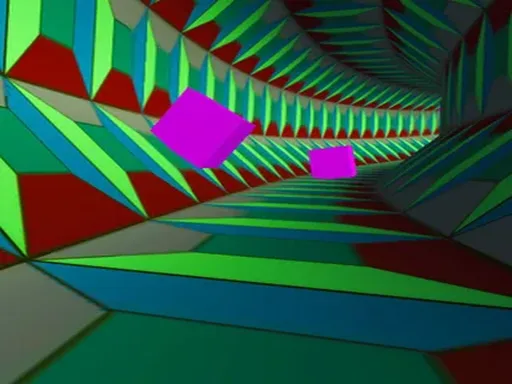
Games like Slope 3, Tunnel Rush, and Drift Boss do more than provide adrenaline rushes; they push the limits of human sensory processing and neural response times.
1. Visual Saccades & Peripheral Awareness
Fast-paced 3D runners stimulate rapid eye movement (saccades) and expand peripheral visual acuity. Players learn to identify high-contrast red warning signals in their periphery without shifting primary focal vision away from their navigation path.
2. Muscle Memory Over Deliberate Thought
When an obstacle approaches at 60 frames per second, conscious cognitive processing is too slow (~250ms). Training in Slope develops procedural muscle memory, dropping response latency down to sub-150ms autonomic reactions.
3. Flow State & Concentration Endurance
Maintaining uninterrupted focus over long runs trains mental resilience against distractions, helping productivity and focus across non-gaming tasks.
More from the blog
- Mastering High-Speed Turns in Slope 3: Micro-Taps, Banked Curves & Vision Control
How to avoid catastrophic oversteering and maintain control at 200+ MPH downhill in Slope 3.
- The Greatest 3D Endless Runners of All Time: Slope, Temple Run & Beyond
A deep dive into why 3D runners dominate casual browser gaming and how modern WebGL delivers console-grade arcade physics.